
What Makes a Good Store Transformation? We Asked the People Who Deliver Them
Posted in | 8th September 2026 | By Georgie Williams-Pitt
Every retail transformation is different, but what separates a project that simply gets completed from one that is genuinely well delivered?
We asked the people who plan, manage and deliver RMS projects every day to share their perspectives.
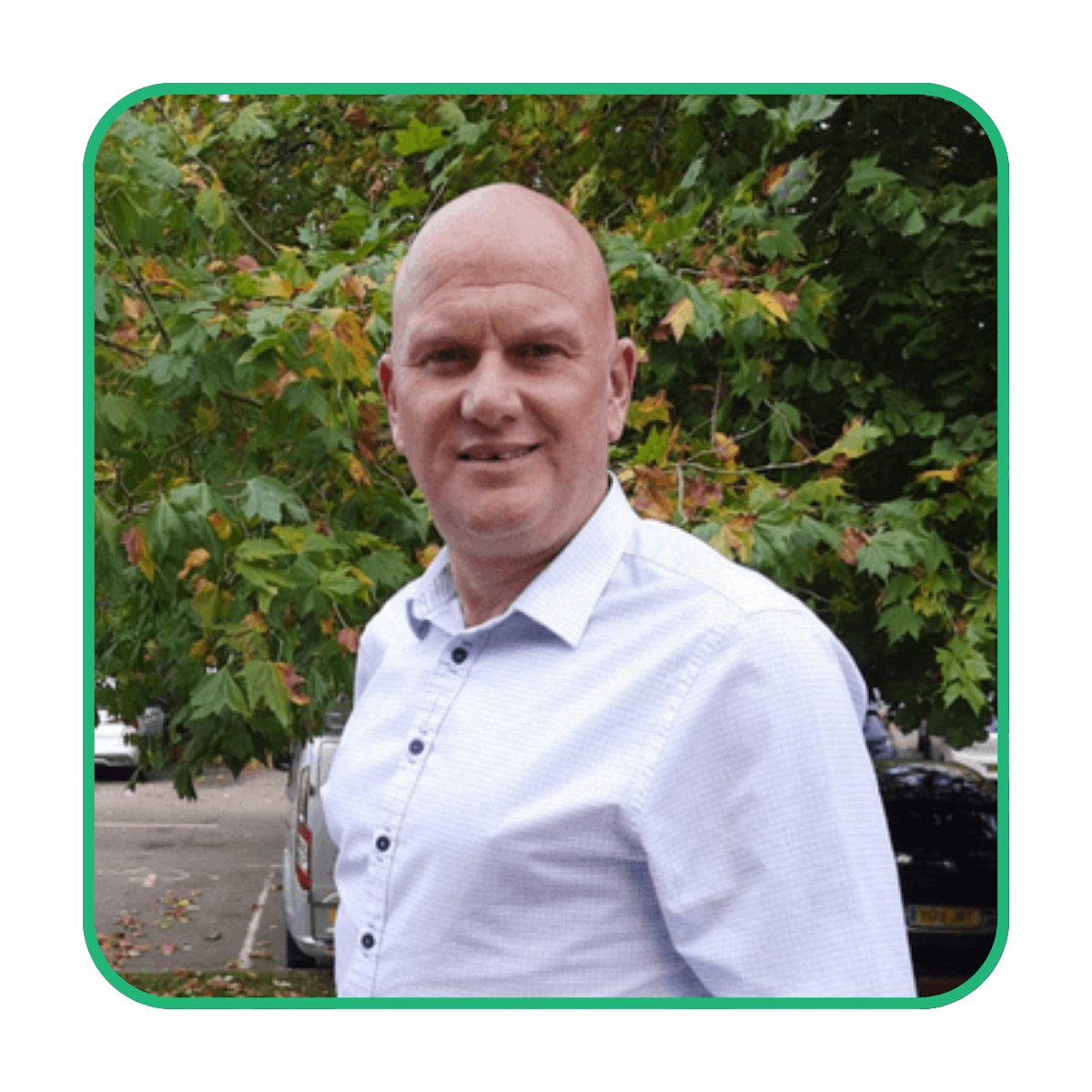
Paul Hodges, Account Manager, works across RMS’s grocery merchandising accounts, supporting relationships with retailers including Tesco, Sainsbury’s and Waitrose. His role gives him a broad view of what it takes to plan, coordinate and deliver successful programmes across different retailers and store estates.
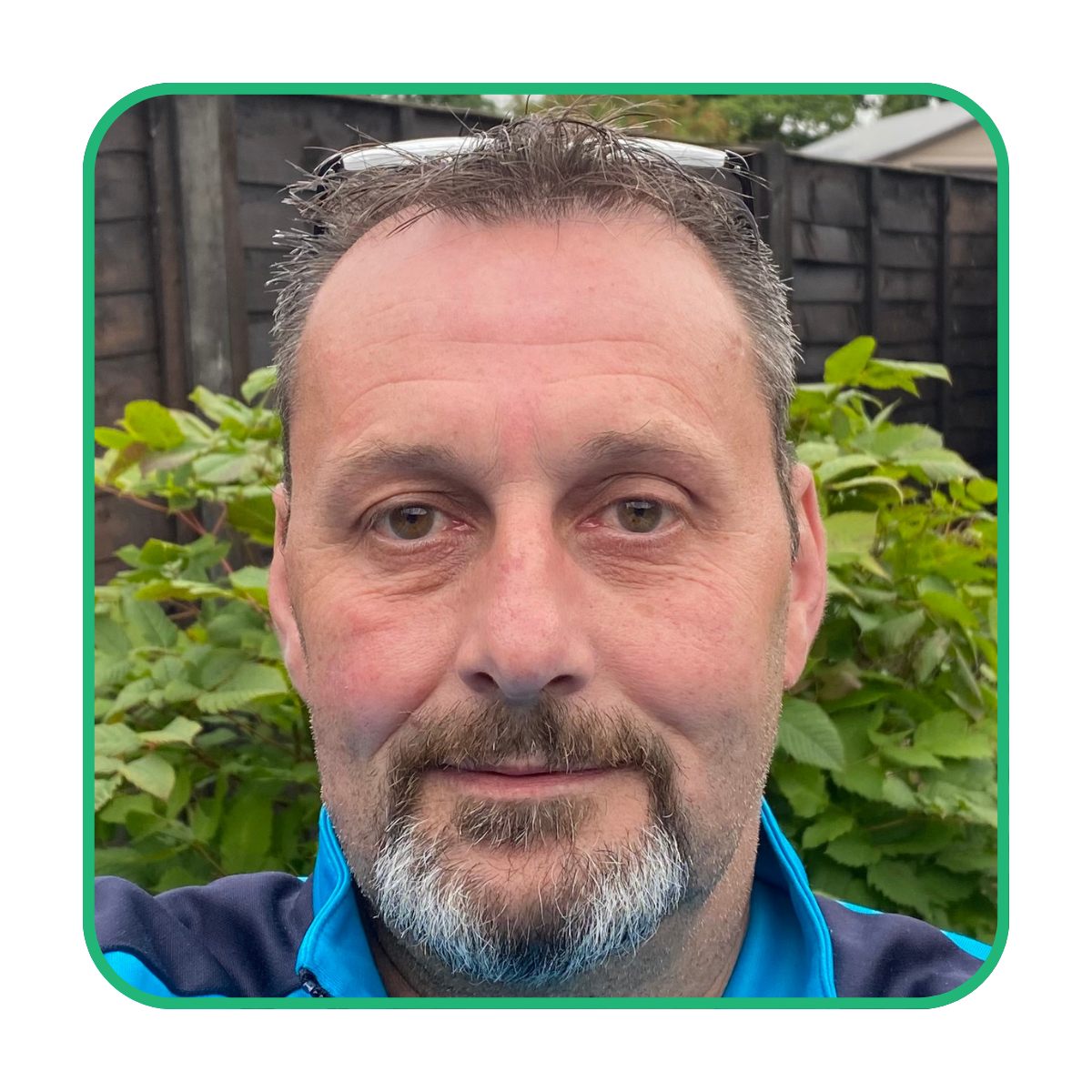
Sam Seal, Team Leader, has extensive hands on experience from the field, including significant experience supporting Sainsbury’s store transformation projects. Working directly within live retail environments, Sam sees first hand what makes a transformation run smoothly on site.
From planning and preparation to teamwork and problem solving, we asked Paul and Sam what makes a good store transformation…
What is the most important thing to get right before a project starts?
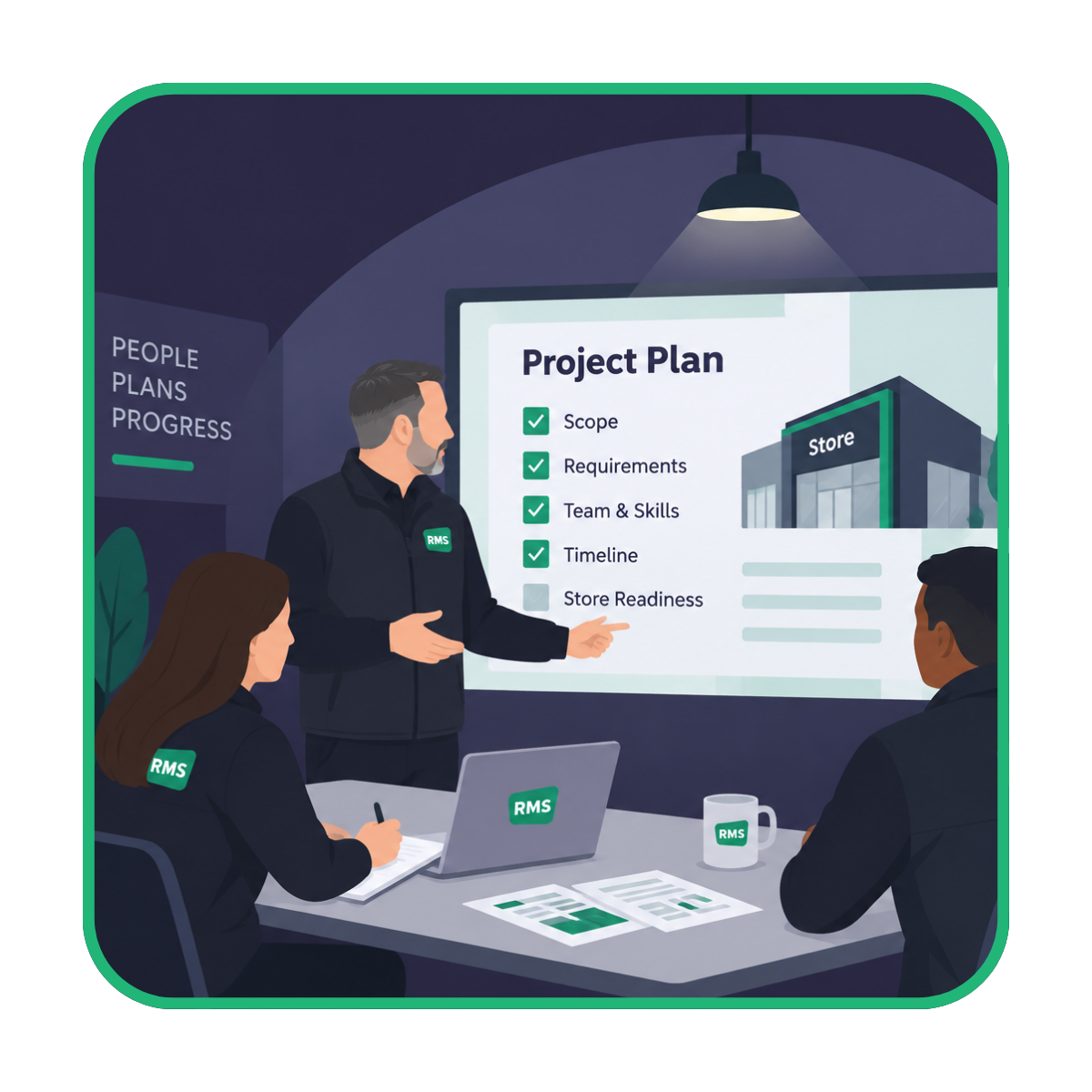
Paul: Having a clear understanding of what the project involves and any specific requirements or nuances you need to be aware of is essential. Once you understand the scope properly, you can plan the right team, skills and experience needed to deliver that particular project successfully.
Sam: Getting the right balance of skills and experience within the team. This is especially important on Sainsbury’s projects, where a lot of the systems work needs to be completed manually so you need colleagues with the right knowledge and skill set for the work involved.
What usually makes the biggest difference once you’re on site?
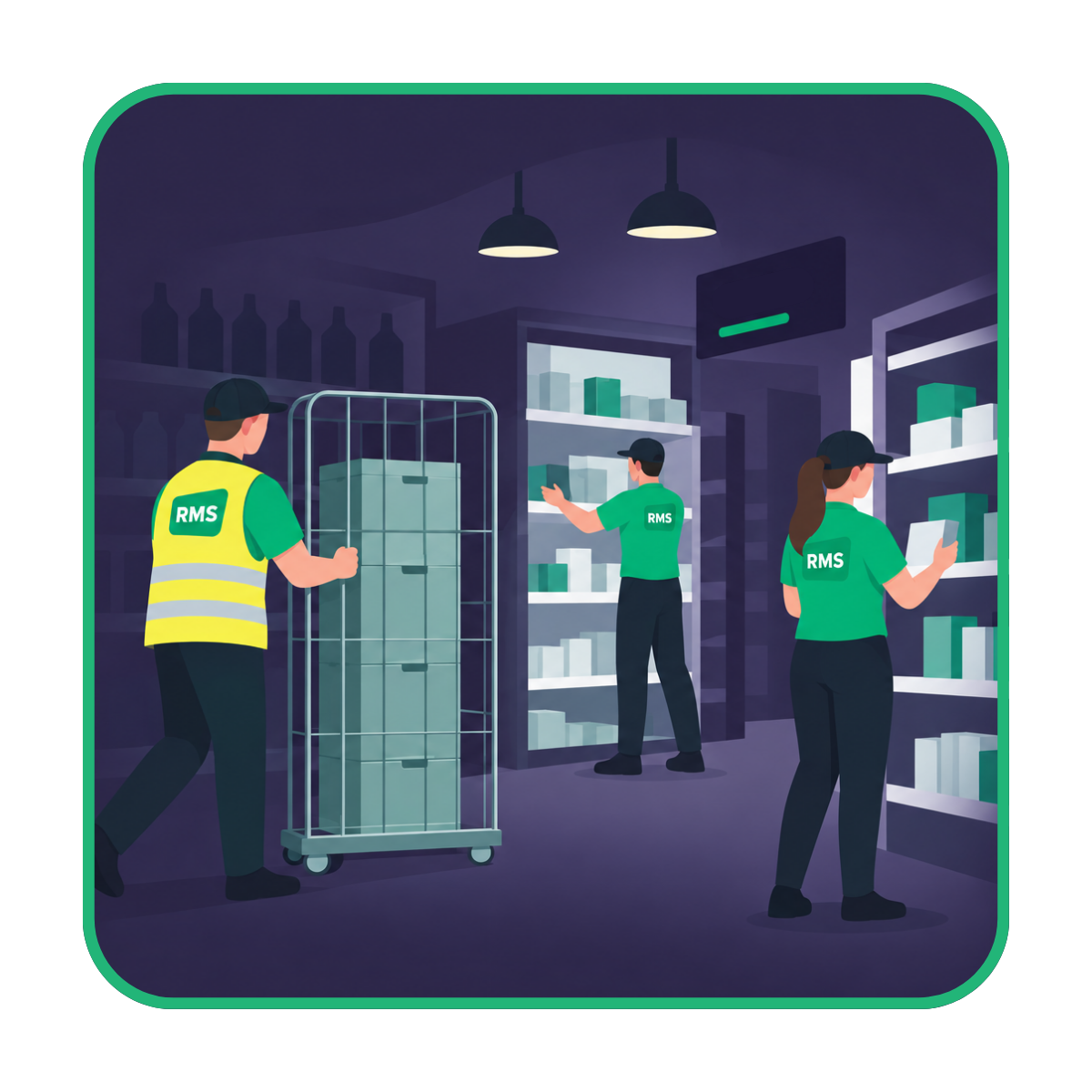
Paul: Building trust with the store team can make a huge difference. Stores can sometimes be sceptical about external agency support, particularly if they’ve had a poor experience in the past. Once they see the knowledge and experience our teams bring, that can change very quickly. Building that relationship early gives the store confidence in the team and reassures them that the project is in good hands.
Sam: Building a good rapport with the store team, Project Manager and other stakeholders. Having those relationships in place makes communication easier and helps everyone work together as the project progresses.
What’s the biggest challenge when transforming a live store?
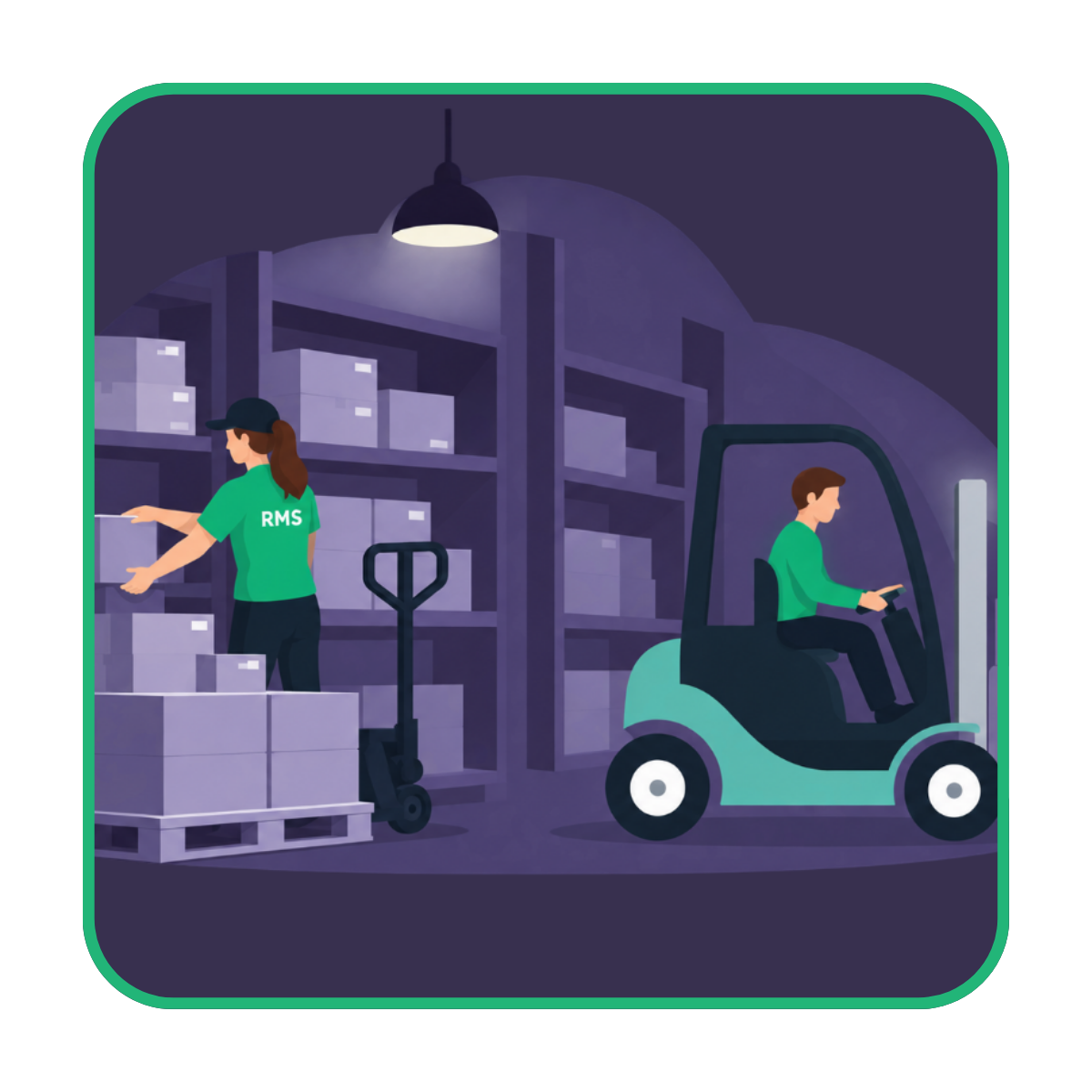
Paul: The unknown is probably the biggest challenge. There can be a lot of different suppliers involved in a live store transformation, so keeping everyone working in sync and to the same timescale is essential. Even a relatively small issue can have a knock on effect, potentially delaying a night’s work or impacting the wider programme. Being able to communicate, adapt and keep everyone aligned is what helps keep the transformation moving.
Sam: Controlling the warehouse can be one of the biggest challenges. A transformation can generate a lot of loose stock, overs and discontinued lines that continually need to be reworked and managed. At the same time, the store still needs to use that space for its day to day operation, so keeping it organised throughout the project is really important.
What does good teamwork look like on a retail transformation?
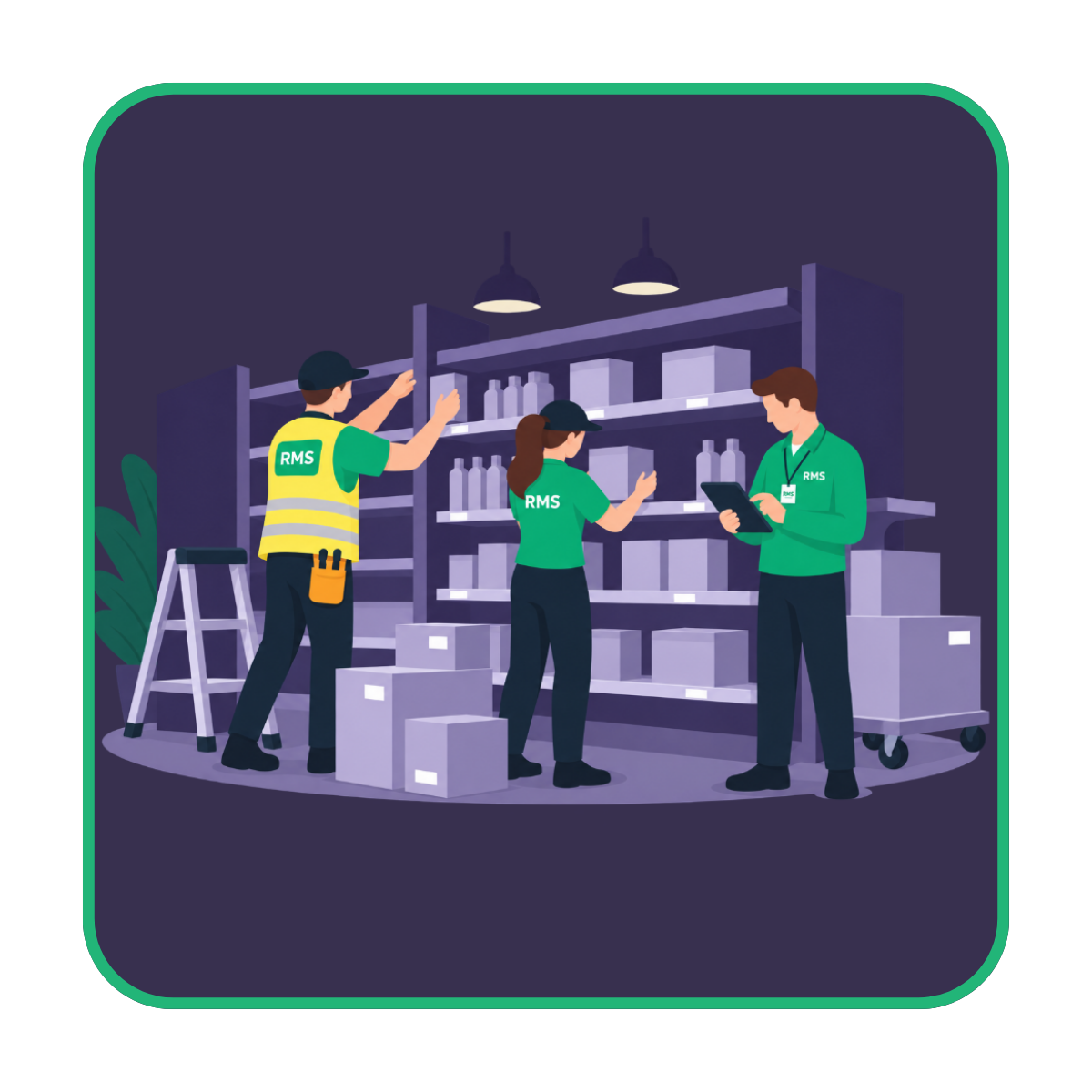
Paul: Good teamwork is everyone working towards the same goal, from Team Leaders and field colleagues to suppliers and the Account Management team. It’s about communicating well, working through challenges together and focusing on solutions rather than problems. The best teams are proactive too – they’re thinking ahead, anticipating what might be needed next and doing everything they can to deliver a successful transformation.
Sam: Good communication between the day and night teams is really important, along with being proactive about what you can achieve to help the next team. There can sometimes be an ‘us and them’ mentality between shifts, but I’ve always believed that if you put the next team ahead, in theory you should never be behind.
What’s one thing retail partners might not see that makes a project successful?
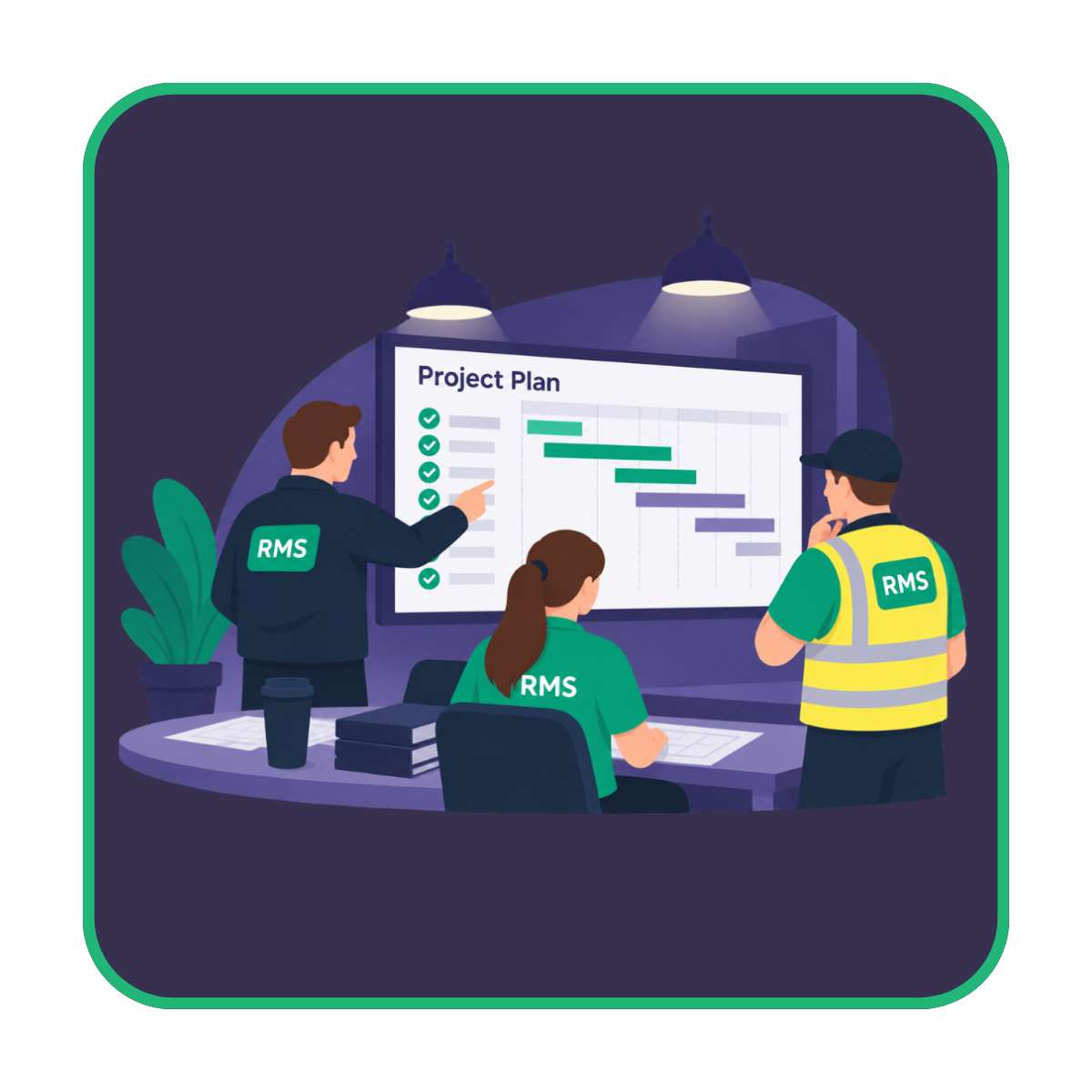
Paul: The planning that takes place behind the scenes for weeks or even months before a project starts. A lot goes into making sure the right colleagues, with the right skills and experience, are in the right place at the right time. When that planning is done well, much of it is invisible once the project gets underway.
Sam: It’s difficult to quantify because a lot of the time you just get on and do what needs to be done. It might be spotting an issue with how the GMP is written, or finding that the bay configuration doesn’t match the planogram. There are lots of small things we resolve along the way that might technically sit elsewhere or be due to be completed a few days later. But if we can sort something and make sure an area looks finished, we will.
What does a successful project look like to you?
Paul: There’s an old saying, “you’re only as good as your last job,” and I think that applies here. For me, success is about consistently delivering projects to a high standard. When our retail partners keep coming back and trust RMS to support their next programme, that’s a real measure of success. That trust comes from the reputation we’ve built together as a business and, importantly, from the work our teams deliver every day.
Sam: A project that’s completed on time and to everyone’s satisfaction. Ultimately, you want our retail partners to keep coming back to RMS and to see the standard our teams deliver as a benchmark for future projects.
Experience from every side of the transformation
Paul and Sam approach retail transformation from different perspectives, but their answers share some clear themes: good preparation, the right skills, strong relationships, communication and teams willing to solve problems together.
Much of what makes a transformation successful happens before the finished store is ever seen – from weeks of planning behind the scenes to the small decisions teams make every day on site.
And perhaps the clearest measure of success is the one both Paul and Sam came back to: retail partners trusting RMS to deliver their next project.
That’s a reputation built one transformation at a time.
Planning your next retail transformation?
Discover how RMS can support your programme across the UK and Ireland.
Speak to the RMS team